
Marketing is not about showing off your logo; it is about giving a voice to your brand. It means instilling a personality so distinct that when people encounter your company, they do not just walk away and forget—they leave with a sense of who you are.
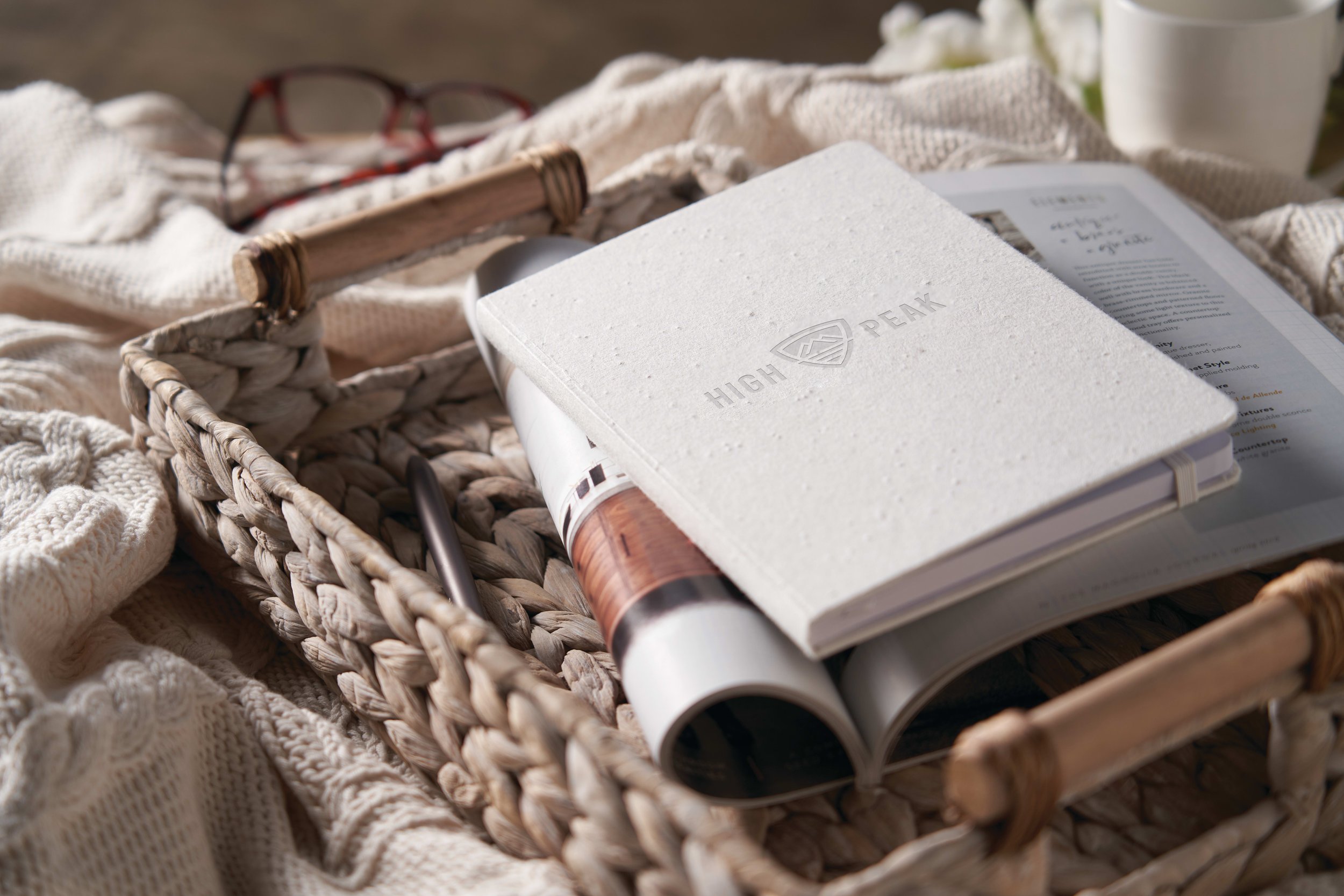
High Brand Recall
83% of consumers recall the brand on promotional products they own.
In today's over-saturated market, consumers are bombarded by continuous digital noise, and ad fatigue has set in. The average person is exposed to anywhere between 4,000 and 10,000 ads every single day. As screen time rises, so does customer desensitization. This over-abundance has driven up the cost of digital ad placements while drastically lowering their effectiveness. Add algorithmically generated content to the mix—where competitors blend into a uniform haze—and standing out becomes a massive uphill battle.
To break through, companies must show consumers that what they offer is different, tangible, and real.
That is why tactile marketing remains uniquely powerful.
Branded merchandise continues to lead as one of the most effective tools for driving recognition and building positive brand perception. A quality physical product sidesteps digital fatigue entirely, carving out a permanent spot in your customer’s daily routine.
The Gift of Merch
Most traditional advertising is built on interruption. Pre-roll videos hijack your view, pop-ups block your screen, and digital ads aggressively compete for fractional seconds of focus. They demand a user’s time and offer very little in return.
Branded merchandise flips this dynamic entirely by functioning as a gift.
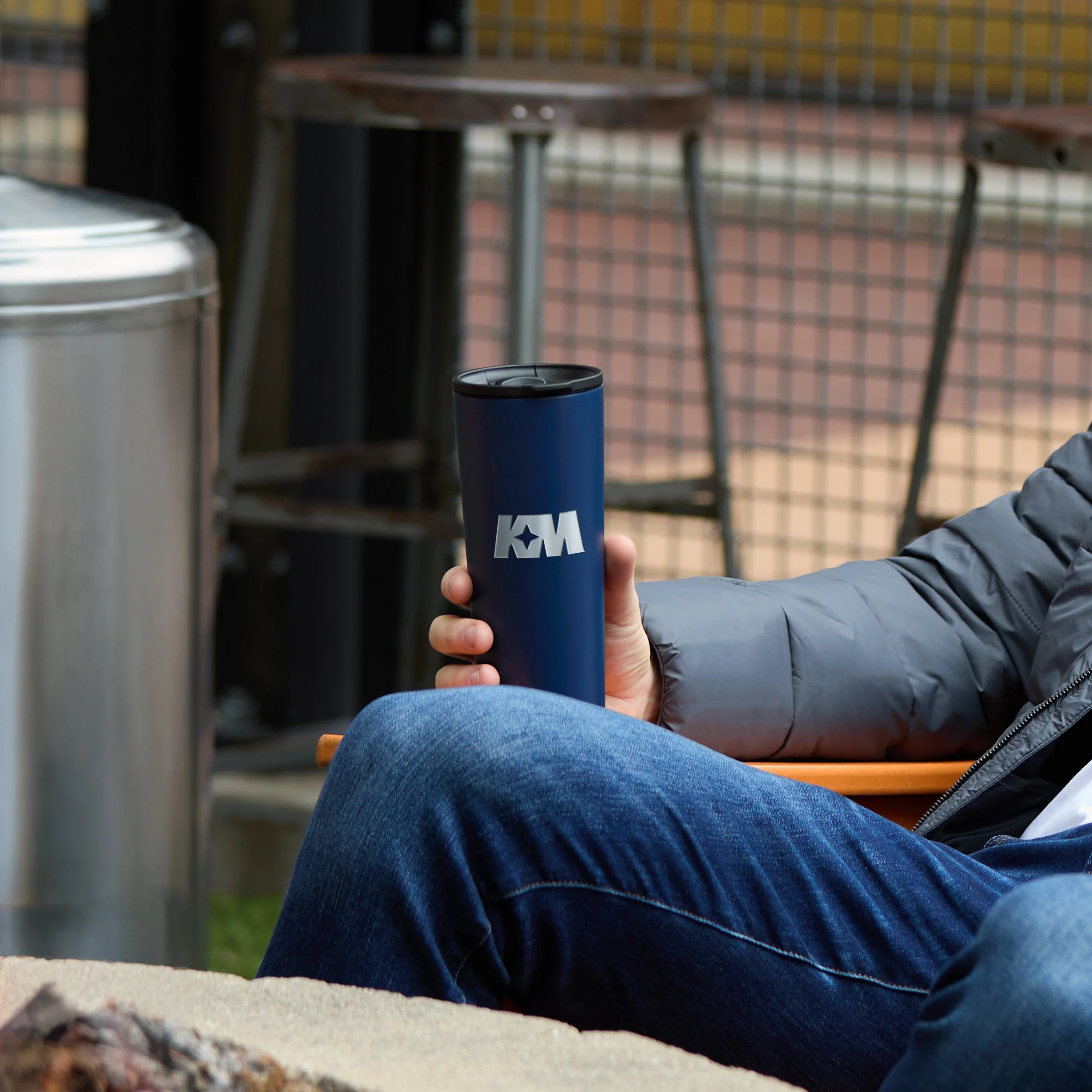
Appreciated Marketing
Promotional products are the only form of advertising that consumers say 'Thank You' for.
Instead of forcing a passive intrusion onto a customer, premium merch delivers an immediate, value-add experience. It shifts the psychology of the interaction from taking attention to giving value.
That shift creates a sentiment unique to physical products.When you hand someone a high-quality notebook, a well-crafted hoodie, or a durable water bottle, you are not just placing a logo—you are establishing goodwill. The recipient feels appreciated, and that positive emotion quietly transfers directly to your brand.
A Lighter Footprint Than You Think
Beyond engagement, physical marketing carries another hidden advantage: environmental efficiency.
Digital campaigns are often assumed to be greener simply because their infrastructure is invisible. However, data tells a different story. Recent industry research reveals that promotional products generate one of the lowest carbon footprints per memorized impression, proving to be more than twice as carbon-efficient as continuous digital advertising.
This efficiency comes down to longevity. A digital ad flashes for a few seconds and disappears, requiring thousands of paid repetitions to leave a mark. While, in contrast, a high-quality promotional item operates on an entirely different scale—it is retained for months or even years, continuously delivering impressions without consuming additional energy.
““When an item earns a place in someone’s daily life, it stops feeling like advertising and starts functioning as a daily utility.””
A useful, well-designed product will long outlast the fleeting social media videos scrollable on any given day. As the industry continues to pivot toward sustainable materials and utility-first design, the environmental impact of physical products will only decrease, making tactile marketing one of the smartest, most sustainable investments for long-term brand equity.
